Research profile
Alex Chilvers’s research investigates how musical meaning is shaped through cultural encounter:
how listeners interpret music across cultural contexts, how musicians negotiate difference through
collaborative creative practice, and how higher music education can respond to the diverse musical
knowledge present in contemporary Australia. Across music education, music psychology, musicology
and practice-led composition, his work asks how listening can become a more critically aware,
reciprocal and dialogic activity.
One strand examines intercultural curriculum transformation in the conservatory.
Working with cultural knowledge holders and specialist musicians, Alex develops and evaluates
teaching interventions that bring Chinese, Iranian and Aboriginal Australian musical practices
into core aural skills study. This research considers not only what new musical materials students
encounter, but also the assumptions, analytical habits and institutional hierarchies that shape
how those materials are heard and taught. Recent publications examine the integration of Iranian
classical music and student responses to curriculum diversification, including the responsibilities
involved in engaging Indigenous musical knowledge.
A second strand explores cultural source, perception and musical appreciation.
Drawing on music psychology and phenomenological approaches to listening, this work investigates
how contextual information and listeners’ cultural positions influence their responses to music.
It connects empirical questions about appreciation and open-earedness with broader concerns about
cultural security, positionality and the ways listeners make meaning.
A third strand is intercultural composition and collaborative music-making.
Through Bark Tin Band and other partnerships, Alex develops new work through sustained exchange
with musicians whose instruments, techniques and musical knowledge come from different traditions.
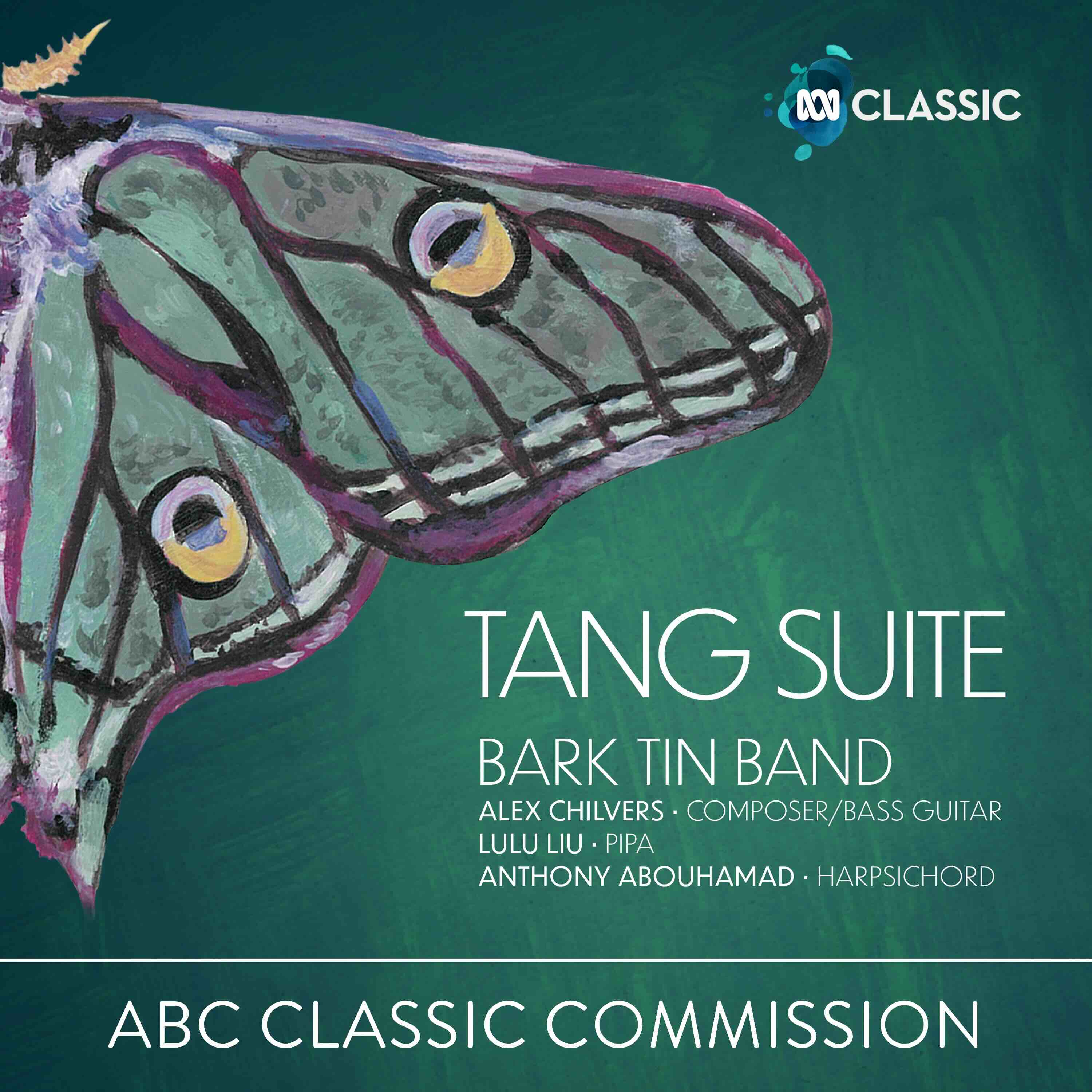
Projects such as Tang Suite use collaborative composition as a form of inquiry into musical
time, notation, historical materials and the possibilities of dialogue without reducing difference
to a single shared language.
These strands come together in Alex’s work on aural skills, ethical listening and institutional
change: how students learn to listen beyond familiar frameworks, how expertise is recognised
and shared, and how conservatories can build more reciprocal relationships with the communities
whose musical practices they teach. The 2026 Australian Government Maitri Grant supports this work
through a partnership between the Sydney Conservatorium of Music and Bengaluru’s Subramaniam Academy
of Performing Arts, alongside engagement with Indian-Australian musicians and communities in Sydney.